
Running the Game
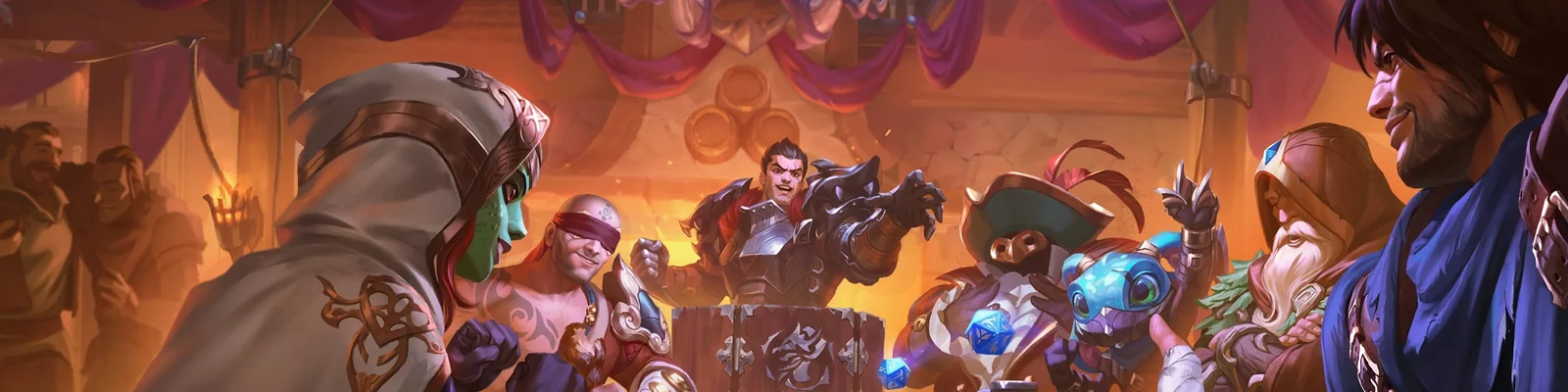
GMing is an art that goes beyond the rules: this chapter offers content to guide GMs in creating engaging adventures on themes such as traps, rewards and special items.
Here you will find a foundation to bring your ideas and content to life, a foundation that aims to help both novice and experienced GMs to build unique experiences.
More than following the formulas presented here, the focus is to stimulate creativity and fun, in favor of the fun of surprising the players while the master himself also has fun.
Cap. 13: Running the Game Under construction
Objects Here you’ll find rules for interacting with and destroying objects, from doors to chairs, taking into account factors such as time and tools required. Assigning hit points, resistances, and vulnerabilities helps represent the level of challenge in damaging different items.
Gathering Resources Rules for integrating resource gathering as an essential part of the narrative, whether as an end goal or as important steps in the story.
Traps Traps can appear anywhere and pose deadly threats to adventurers, from hidden blades to strangling vines to magical devices.
Diseases Diseases can serve as powerful storytelling elements, from mild outbreaks that drain resources to devastating epidemics that drive full-fledged adventures in search of cures and containment.
Poisons Poisons, due to their insidious and lethal nature, are often banned in most civilized societies. However, they remain a feared and widely used tool of assassins, mercenaries, and other evil entities.
Madness The life of an adventurer involves dangers that challenge not only physical endurance, but also sanity. In campaigns with a dark or horror theme, madness can be a consequence of the characters’ terrible experiences, highlighting the psychological weight of the threats they face.
Chap. 14: Rewards Treasures and rewards are an essential incentive in adventures, and can come in many forms, such as hidden riches, rare magical items, or even new connections and information within the story.
Types of Rewards The treasures an adventurer can find range from riches in coins to valuable art, offering both currency and utility for future journeys. Here are examples of the most common types of rewards, enriching the gameplay experience and strengthening the characters.
Magic Items Magic items are plentiful and varied, carrying unique abilities that can influence the environment and characters around them.
Sentient Magic Items Sentient Magic Items have personalities and can act autonomously. Their behavior depends on their relationship with the wielder, and they can either be allies or create obstacles. When treated well, the active properties of the item function normally, but if the relationship is strained, the item can turn these properties against the wielder.
Darkin Weapons Darkin Weapons are magical artifacts that contain the essence of ancient, corrupted Shuriman champions. These powerful beings have been imprisoned within their weapons, and their use must be exercised with caution due to the great power they possess.
Artifacts Artifacts are powerful magical items with unique and meaningful origins. Their inclusion in a campaign can alter the balance of the game and therefore require preparation by the GM. They are rarely encountered by chance, and can be a central objective or appear unexpectedly.
Prosthetic Limbs The loss of a limb can lead to a new journey in search of a replacement. Prosthetic limbs, created through magic or technology, can offer advantages over natural ones, but vary in acceptance and cost. Their origin and the cost to acquire them can be important parts of the character’s story and adventure.
Materials
The construction of items such as houses, weapons, and armor depends on specific materials, which vary from region to region. While some materials can be created by magic, most are collected from the local wild. Trade between different regions helps to make up for the lack of resources, ensuring the production of essential items for various purposes.
Environments, hazards and realms of existence for adventures.
→ Chapter 14 · Running the GameObjectsWhen characters need to saw ropes, shatter a window, or smash a door, the only hard and fast rule is this: given the necessary time and the right tool, characters are capable of…
→ Chapter 14 · Running the GameObtaining ResourcesSome stories focus on endless combat, while others may take players through political and espionage plots, and in some, resource gathering may be the focus.
→ Chapter 14 · Running the GameTrapsAncient emperors and kings believed that their wealth in the material world would accompany them to the spiritual world. Hidden organizations and societies guard their secrets f…
→ Chapter 14 · Running the GameDiseasesA plague devastates the kingdom, sending adventurers on a quest to find a cure. An adventurer emerges from an ancient tomb, sealed for centuries, and soon finds themselves sufferi…
→ Chapter 14 · Running the GamePoisonsGiven the insidious and deadly nature of poisons, they are illegal in most societies, but they are among the favored tools of assassins and other evil creatures.
→ Chapter 14 · Running the GameConditionsSome of the creature abilities are capable of causing special conditions to your character, however, you are also capable of causing them through some of your abilities, spells…
→ Chapter 14 · Running the GameMadnessIn a typical campaign, characters aren't driven to madness by the horrors they face and the carnage they inflict day after day, but sometimes the stress of being an adventurer ca…
→ Chapter 14 · Running the GameAfflictionsA plague devastates the kingdom and adventurers set out in search of a cure. A character emerges from a tomb that has been sealed for centuries and begins to rot from the inside…
→